
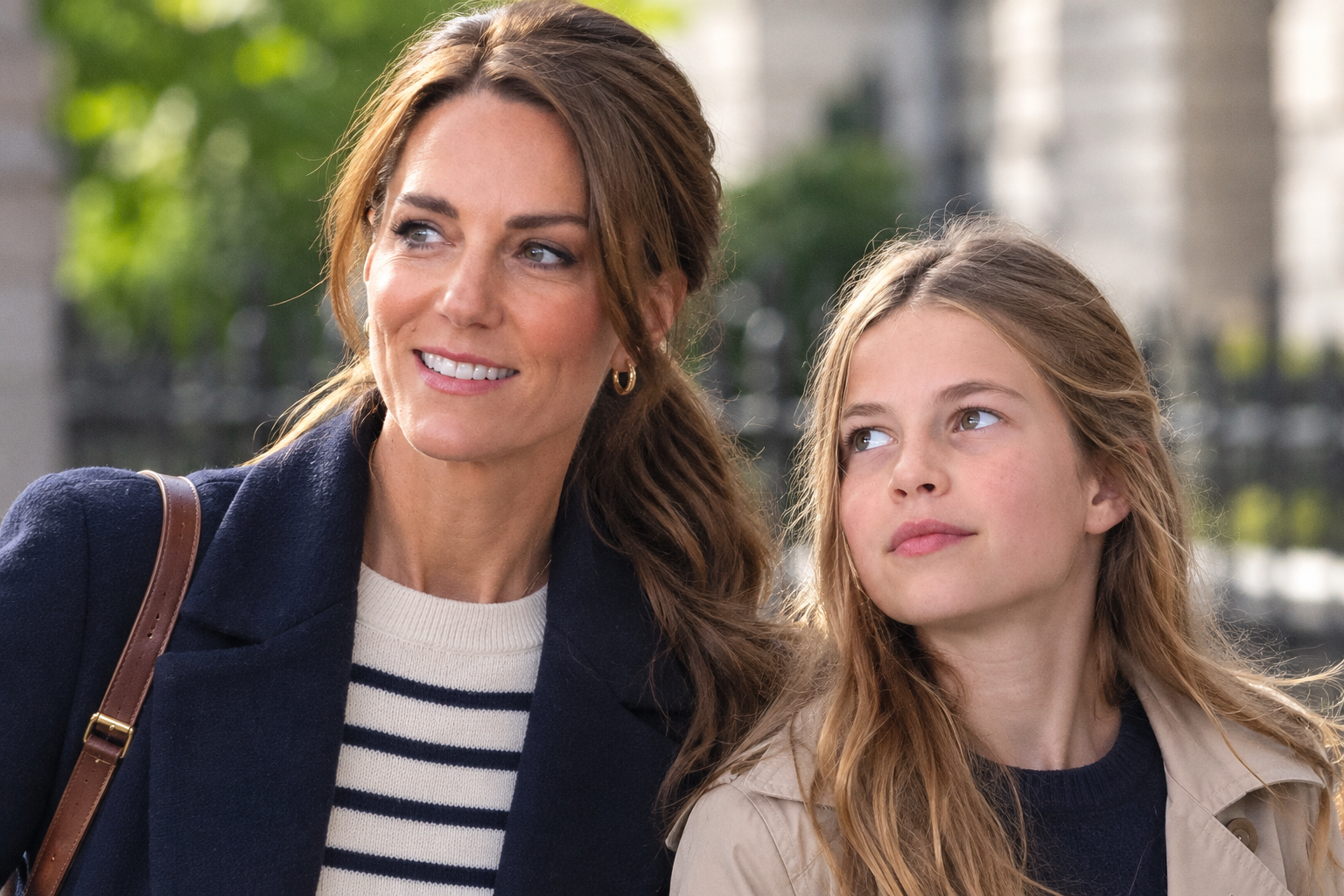
From Kate and Charlotte to the Netherlands’ Princess Catharina Amalia, a new generation of royals is seeking moments of normality away from royal protocol and the spotlight
What happens when royal life, with its grand palaces and official engagements, starts to feel restrictive even to those born into royalty? Recent stories attracting attention across Europe suggest that the desire for a more ordinary life is becoming increasingly important, particularly among younger royals.
In London, a video that went viral on social media caught the public attention: Kate Middleton and Princess Charlotte were reportedly spotted travelling on the Elizabeth line, taking the train from Slough to Tottenham Court Road, in the heart of London’s shopping district. No glamorous outfits, extravagant hats or dark sunglasses to avoid recognition — just casual clothes, a small security detail of three discreet bodyguards and, apparently, a chance to enjoy an informal chat with fellow passengers sitting opposite them.
In fact, the outings around the city are nothing new for Kate and Charlotte. In May 2023, the Princess of Wales reportedly took her daughter and a group of friends to see Cinderella at London’s Royal Opera House. One audience member later said they had spotted Kate sitting among the spectators with Charlotte.
These small moments shared by mother and daughter have reminded some observers of Princess Diana’s approach to parenting. She, too, enjoyed taking William and Harry on outings that offered a glimpse of life beyond the rigid conventions of royal protocol, giving them opportunities to experience everyday activities. Her approach did not always meet with approval in more traditional royal circles, where young princes were rarely seen taking part in such ordinary experiences.
The reported tube journey may have amused social media users, but it has also prompted a broader question: why do today’s royals increasingly seek to blend in with everyone else?
Life within the royal household is governed by strict protocols, rigid etiquette, carefully scheduled official duties and constant media scrutiny. Together, these pressures can make even the simplest everyday experiences difficult to enjoy spontaneously.
The search for normality is not confined to the British Royal Family. Across Europe, young heirs to the throne are also finding ways to carve out greater independence, although in different circumstances.
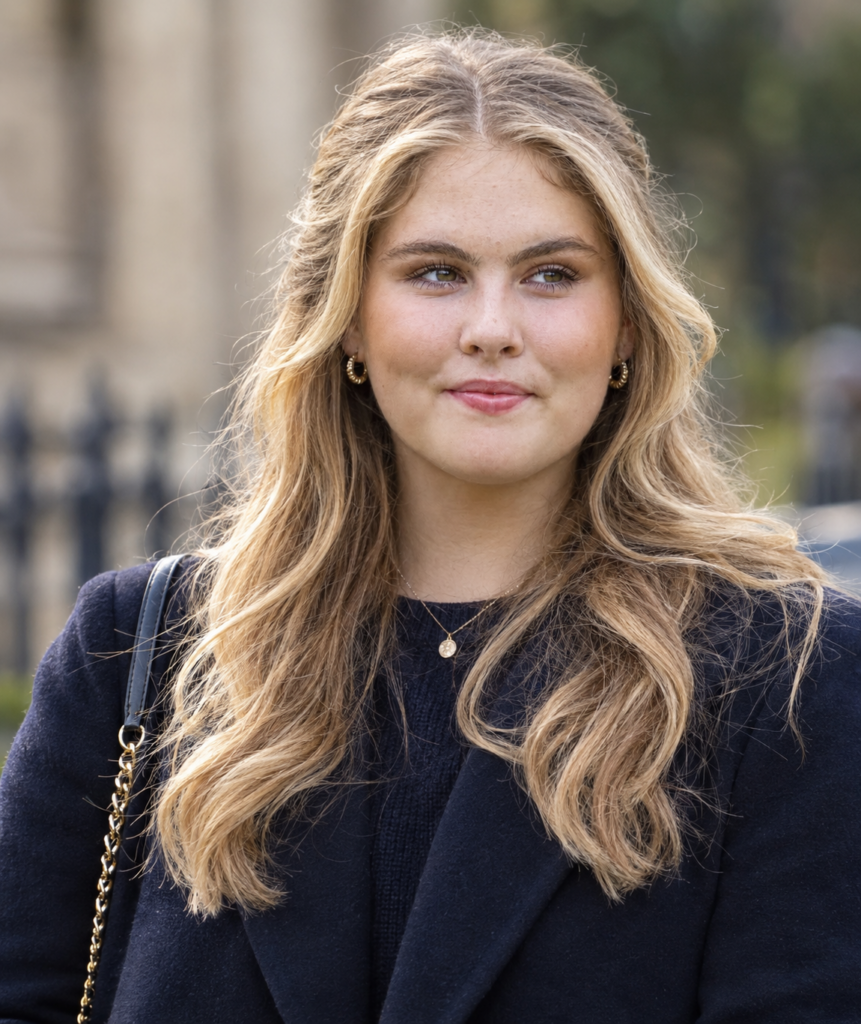
One example is Princess Catharina-Amalia, heir to the Dutch throne, who has sought to establish a life beyond her official duties. While at university, she shared accommodation with fellow students, but the arrangement was cut short after she received threats linked to the risk of kidnapping. Before that, she had attended a state school and worked during the summer holidays at a beach bar in The Hague.
Such experiences reflect a desire to navigate everyday life, build relationships outside official circles and enjoy, as far as possible, the kind of experiences shared by their peers. Taking public transport, going to the theatre without ceremony or spending time with friends can seem unremarkable, but these simple activities take on a different meaning when every outing is shaped by public attention and security concerns.
Being a prince or princess does not mean giving up the most basic human needs: having moments of freedom, developing an independent identity and enjoying authentic experiences. For the younger generation of royals, the challenge appears to be finding a balance between the responsibility of representing an institution and the right to live beyond the confines of their public role.
And so, somewhere between royal palaces and public transport, a simple message emerges: behind the titles and traditions are people who, like everyone else, need a little normality — even if it is just for an afternoon.
By Sofia Lucinda Andreoli
and Marina Karol Forestiero